
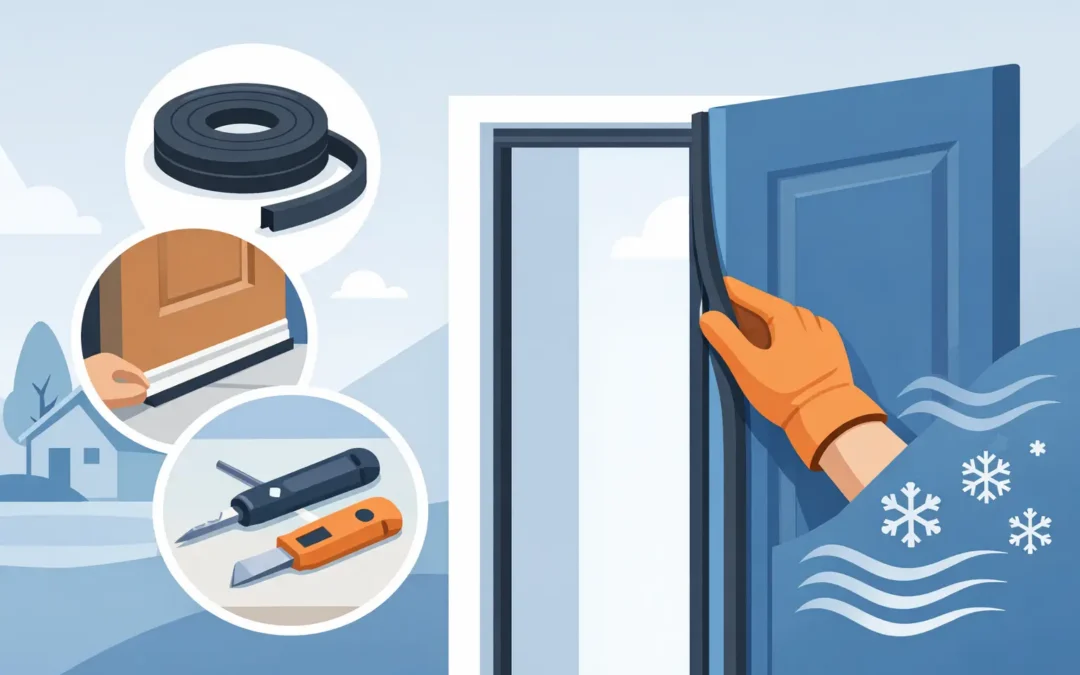
A door that rattles in the wind, lets daylight show around the frame, or leaves a wet line across the floor has a sealing problem that should not wait. This door weatherstripping replacement guide helps homeowners and facility managers identify the source of the leak, select a suitable replacement, and know when the issue calls for professional adjustment rather than a new seal alone.
Weatherstripping is a relatively small component, but it does serious work. It helps control drafts, wind-driven rain, dust, insects, and temperature loss at exterior doors, garage doors, loading areas, and commercial entries. A proper seal also reduces unnecessary strain on heating and cooling equipment and helps doors close more quietly.
Know When Weatherstripping Needs Replacement
Weatherstripping does not usually fail all at once. Rubber and vinyl can become hard, brittle, flattened, torn, or permanently bent after years of sun, cold, moisture, and repeated use. Brush seals can lose their density, while adhesive-backed foam often loosens from dirty or uneven surfaces.
Start with a simple visual inspection. Look for gaps at the sides and top of the door, cracked material, loose fasteners, missing sections, or a sweep that no longer touches the threshold. At a garage door, inspect the perimeter seal as well as the bottom astragal. If the bottom seal is crushed, split, or pulled out of its retainer, water and debris can enter even when the door appears to close normally.
A daylight test is useful on a bright day. With the door shut, look from inside for visible light around the perimeter. For residential entry doors, you can also hold a thin piece of paper near a suspected gap on a windy day. Movement may confirm air infiltration, but do not mistake every small draft for a weatherstrip issue. A door that is out of alignment, a worn threshold, or a damaged frame can create the same symptom.
Find the Cause Before You Buy Material
Replacing a seal without addressing the reason it failed can lead to the same problem a few months later. Doors move. Hinges wear, frames settle, garage door tracks shift, and thresholds deteriorate. The seal must match the actual gap and the way the door operates.
Check whether the door closes evenly. An entry door that rubs at the top hinge side but has a large gap at the latch side may need hinge, frame, or strike adjustment. A commercial aluminum storefront door that drags across its threshold could need a closer, pivot, or threshold repair. For an overhead garage door, uneven gaps may point to a track, roller, cable, or spring-related issue. Do not attempt spring or cable repairs without trained service. Those components are under high tension.
Also inspect the surface receiving the seal. Peeling paint, corrosion, warped wood, and loose trim prevent weatherstripping from sitting flat. Repairing the mounting surface first gives the new material a much better chance of performing as intended.
Choose the Right Type of Door Weatherstripping
The best replacement depends on the door style, gap size, exposure to weather, and amount of traffic. A material that works well on a rarely used side door may wear out quickly on a busy school entrance or loading dock.
Common options include:
- Compression weatherstripping: Vinyl, rubber, or foam seals that compress when the door closes. These are common around residential entry doors and many commercial frames.
- Door sweeps and thresholds: Sweeps mount to the bottom of a swinging door, while thresholds provide a durable surface the sweep seals against. They are especially useful where rain, insects, and dust are concerns.
- Garage door bottom seals: These flexible vinyl or rubber seals fit into a retainer at the bottom section of an overhead door. Profiles vary, so matching the retainer and seal style matters.
- Garage door perimeter seals: Vinyl stop molding with a flexible flap seals the top and sides of a closed garage door. It must be positioned to contact the door without excessive pressure.
- Brush seals: Dense bristles are often used on rolling steel doors, dock openings, and doors with uneven surfaces. They allow movement while reducing dust, air, and pest entry.
Foam tape is inexpensive and can help with a small, sheltered gap, but it is not a long-term answer for high-use or exposed openings. For exterior entry doors, garage doors, and commercial applications, mechanically fastened vinyl, rubber, aluminum, or brush products typically offer greater durability.
Measure the Opening, Not Just the Old Seal
Old weatherstripping may have stretched, shrunk, or been cut incorrectly, so use it as a reference rather than the only measurement. Measure each side and the top separately. For a door sweep, measure the width of the door panel. For a garage door bottom seal, measure the full width and identify the retainer style before ordering material.
Pay attention to gap size. A weatherstrip must compress enough to stop air and water, but a seal that is too thick can make the door difficult to latch, overload a closer, or interfere with a garage door’s closing operation. On fire-rated commercial openings, do not add material that changes the door’s listed assembly or prevents positive latching. The wrong product can create a code issue as well as an operating problem.
When replacing weatherstripping on a commercial door, check the hardware at the same time. A weak closer, loose hinge, damaged panic device, or failed automatic operator can keep the door from making full contact with the seal. In these settings, reliable operation and code compliance matter as much as weather protection.
How to Replace Standard Perimeter Weatherstripping
For a typical residential entry door, begin by removing the old material carefully. Pull adhesive-backed material slowly to avoid damaging the frame finish. Remove screws or nails from mechanical weatherstripping, then scrape away old caulk, adhesive, and debris. The mounting surface should be clean, dry, sound, and reasonably smooth.
Close the door before positioning the new stop or compression seal. This lets you set the material against the closed door instead of guessing where contact should occur. Start at the top, then install the sides. The seal should touch the door consistently without being crushed flat. If it is mounted too tightly, the door may bind or fail to latch. If it barely touches, it will not stop drafts.
Cut material square and keep corners tight. Small openings at the top corners are common sources of wind and water intrusion. For adhesive-backed products, work in short sections and press firmly as you go. Do not stretch the material during installation, especially in cold weather, because it may pull back later.
After installation, operate the door several times. Confirm that it closes and latches without excessive force. Check for even contact around the perimeter and inspect the threshold area. A new perimeter seal cannot compensate for a badly worn threshold or a large gap under the door.
Replacing Garage Door Seals Safely
Garage door weatherstripping is different from entry-door sealing because the door moves through tracks and sections before resting against the opening. The bottom seal generally slides into a retainer or channel. With the door fully closed and disconnected from the opener only if needed for safe handling, remove the damaged seal from one end of the track. Clean the retainer, then feed the replacement seal through without forcing or tearing it.
Perimeter seal is mounted to the jambs and header, not the moving door. Position it so the flexible flap rests against the closed door face. It should create contact along the top and sides but should not push the door inward or affect its travel. If the garage door does not sit level on the floor, has uneven side gaps, or reverses unexpectedly, stop and schedule service. Seal replacement will not correct an operating or balance problem.
When Professional Service Is the Better Choice
Many straightforward weatherstrip replacements are manageable for a capable homeowner or maintenance team. The job becomes more involved when the door is misaligned, the frame is damaged, the threshold has failed, or the opening has special requirements.
Professional help is particularly worthwhile for rolling steel doors, fire-rated openings, automatic doors, high-traffic commercial entrances, and overhead garage doors with track or balance concerns. These systems often require exact product selection, proper fastening, and adjustments that protect safe operation. For Northern Illinois and Southern Wisconsin properties, Barcol Door Company can evaluate both the seal and the larger door system so repairs address the source of the problem.
A good seal should make a door feel finished: it closes properly, resists weather, and does not demand extra force from the people using it. If the replacement still leaves a gap or changes the way the door operates, treat that as a sign to inspect the door, frame, and hardware together rather than adding more weatherstripping.